
Protein and Nutrition for Men
Explore comprehensive guides, scientific insights, and practical strategies to optimize your nutritional intake. Whether you're building muscle, improving performance, or maintaining overall wellness, our editorial content covers everything you need to know about protein nutrition for men.
The information on this site is for educational purposes only and does not constitute medical advice. Always consult a qualified healthcare professional before making health decisions.
Browse by Category
Featured Articles & Guides
 Nutrition Basics
Optimal Protein Intake for Male Athletes
Discover the science-backed guidelines for daily protein consumption based on your training goals, body weight, and activity level. Learn how much protein your body actually needs.
 Nutrition Basics
Complete Protein Sources: Plant vs Animal
Compare the amino acid profiles of different protein sources. Understand which foods provide complete proteins and how to combine incomplete proteins effectively.
 Muscle Building
Nutrition Strategy for Hypertrophy
Learn how to structure your macronutrients and meal timing to maximize muscle growth. Includes caloric surplus guidelines and nutrient timing recommendations.
 Performance
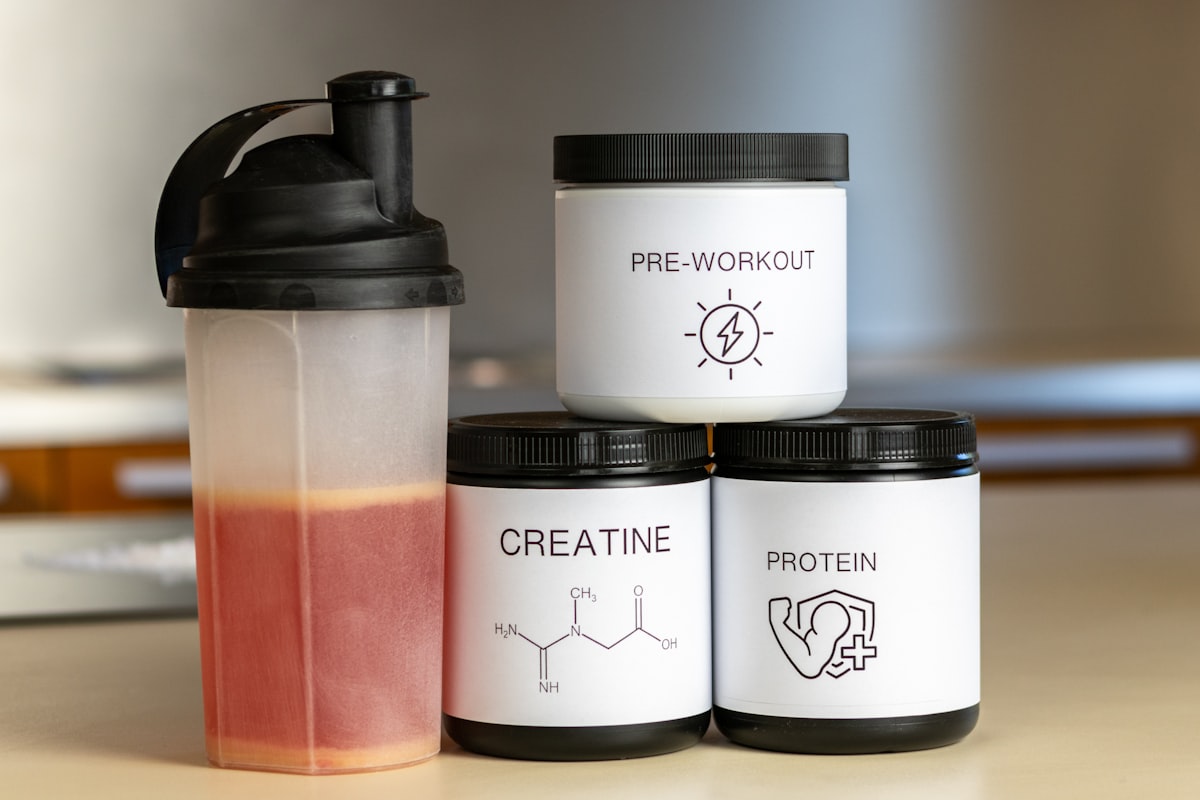
Pre and Post-Workout Nutrition Guide
Optimize your training performance and recovery with science-backed timing and composition of pre-workout and post-workout meals. Includes practical examples.
 Health & Wellness
Essential Micronutrients for Athletic Performance
Explore vitamins and minerals critical for athletic performance. Understand deficiency signs and food sources to maintain optimal micronutrient status.
 Meal Planning
7-Day High-Protein Meal Plan Framework
Discover a practical meal planning framework for achieving your protein goals. Includes shopping lists, meal prep strategies, and nutritional breakdowns.
Additional Reading Resources
Understanding Amino Acids
Dive deep into the world of amino acids. Learn about essential amino acids, their roles in muscle synthesis, and how to ensure adequate intake through diet.
Read articleMacronutrient Calculator Guide
Step-by-step guide to calculating your ideal macronutrient ratios. Understand carbohydrates, fats, and proteins in relation to your fitness goals.
Explore guideLatest Research & Studies
Stay updated with the latest scientific research on protein nutrition, supplementation, and athletic performance. Evidence-based insights for informed decisions.
Food Database & Nutrition Facts
Comprehensive nutritional information for hundreds of foods. Find protein content, amino acid profiles, and micronutrients for meal planning and tracking.
Browse databaseFrequently Asked Questions
The general recommendation is 0.8 grams of protein per kilogram of body weight for sedentary adults. However, for men engaged in regular resistance training, 1.6 to 2.2 grams per kilogram is often recommended to support muscle growth and repair. Your specific needs may vary based on training intensity, goals, and overall diet composition.
Absolutely. Plant-based sources like legumes, tofu, tempeh, nuts, seeds, and whole grains provide protein. While individual plant proteins may lack some essential amino acids, combining different sources throughout the day ensures you receive all nine essential amino acids. Planning meals thoughtfully allows vegetarian athletes to meet their protein requirements completely.
While the "anabolic window" concept has evolved, consuming protein within a few hours after training can support recovery and adaptation. However, total daily protein intake matters more than timing. Distributing protein evenly across 3-4 meals throughout the day promotes sustained muscle protein synthesis. Find a timing strategy that fits your schedule and helps you meet daily targets.
Protein sources differ in amino acid composition and bioavailability. Animal proteins like chicken, fish, eggs, and dairy contain all nine essential amino acids and have high bioavailability. Plant proteins often lack one or more essential amino acids but can be combined effectively. The best source depends on your dietary preferences, digestive tolerance, and overall nutrition goals.
Whole foods should be your primary protein source. However, supplements like whey protein powder can be convenient tools for meeting daily targets, especially when whole-food options are unavailable. They're not necessary for success but can support consistency. Choose supplements wisely and use them to complement, not replace, a balanced diet of whole foods.
Use nutrition tracking apps like MyFitnessPal, Cronometer, or similar platforms to log your meals and monitor protein consumption. Start by weighing portions to understand portion sizes, then estimate as you become familiar with nutrition facts. Consistent tracking for 2-4 weeks helps you understand your eating patterns and adjust as needed to meet your targets.
Stay Updated with Latest Articles
Subscribe to receive notifications about new guides, research updates, and nutrition insights delivered to your inbox.
We respect your privacy. Unsubscribe anytime.